FASHION
Revive Your Hair Naturally With Color Conditioner

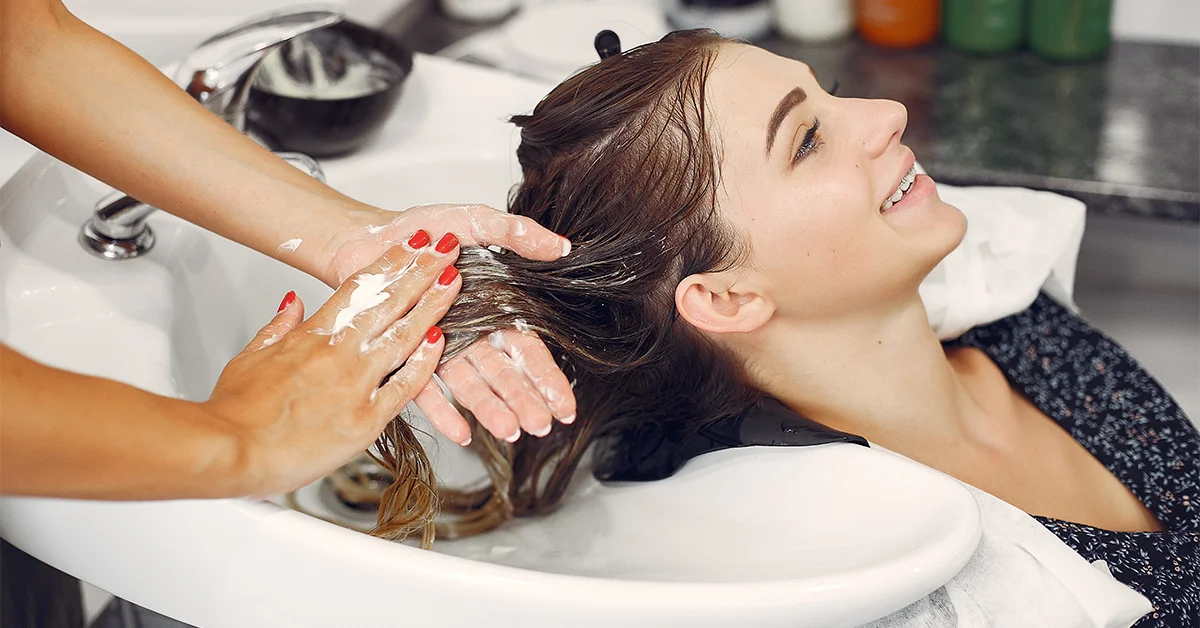
Healthy, vibrant hair is a crown everyone wants to wear proudly. Yet, with daily exposure to pollution, heat styling, chemical treatments, and the natural aging process, our hair often loses its shine, softness, and color vitality. If you’re searching for a natural, effective way to restore your hair’s beauty, a color conditioner might be your secret weapon. In this article, we’ll explore how work, their benefits, and tips for choosing the right one to naturally revive your hair.
TRENDING
Golden Retriever Price Guide: Costs You Should Know
What Is A Color Conditioner?
A color conditioner is a hair care product that combines the nourishing properties of a conditioner with the subtle color-enhancing effects of a hair dye. Unlike traditional hair dyes, which can be harsh and damaging, are formulated to deposit gentle pigments while hydrating and strengthening your hair.
They are ideal for maintaining hair color between dye sessions, enhancing natural hair tones, and even correcting dull or faded strands. The best part? They often include natural ingredients like botanical extracts, essential oils, and proteins, making them a healthier option for your hair.
How Does A Color Conditioner Work?
Color conditioners work through a process called color depositing. Unlike permanent dyes that penetrate deep into the hair shaft coat the hair cuticle with pigments. This helps refresh faded colors, add shine, and even out hair tone without causing significant damage.
Additionally, the conditioning elements in these products work to hydrate, detangle, and repair hair, leaving it softer and more manageable. Over time, regular use of a can make your hair look vibrant, healthy, and full of life.
Benefits Of Using A Color Conditioner
Enhances Natural Hair Color
A color conditioner can boost your hair’s natural tones, making it look brighter and more vibrant. Whether you have blonde, brown, red, or black hair, can enhance the depth and richness of your shade.
Reduces Damage
Unlike traditional dyes, are gentle on your hair. They often contain nourishing ingredients like shea butter, argan oil, and keratin, which help repair damage and prevent breakage.
Fades Gray Gradually
For those dealing with early grays, offer a subtle way to blend gray strands into your natural color without harsh chemicals.
Adds Shine and Softness
Color conditioners moisturize and smooth the hair cuticle, leaving hair shiny, soft, and silky. The result is healthier-looking hair that feels as good as it looks.
Easy to Use at Home
Most can be applied like a regular conditioner. You don’t need professional skills or special equipment, making it a convenient option for maintaining color and health between salon visits.
Choosing The Right Color Conditioner
Not all color conditioners are created equal. To find the perfect match for your hair, consider these factors:
- Hair Type: Some formulas are designed specifically for dry, damaged, curly, or fine hair. Choose one that suits your hair type for the best results.
- Color Goals: Are you looking to enhance your natural color, cover gray hairs, or refresh a dyed shade? Select a product that aligns with your goals.
- Ingredients: Opt for conditioners with natural ingredients like coconut oil, shea butter, and plant-based pigments. Avoid products with harsh chemicals like ammonia or high-peroxide levels.
- Pigment Strength: Some offer a subtle tint, while others provide more noticeable color. Consider how dramatic you want the effect to be.
Tips For Using Color Conditioner Effectively
Wash Hair Before Application
Start with clean hair to ensure the conditioner can evenly coat your strands and deliver the best results.
Follow Instructions
Every color conditioner has specific application times and usage recommendations. Following them ensures optimal color and protection.
Apply Evenly
Make sure to distribute the conditioner from roots to ends. Using a wide-tooth comb can help evenly spread the product.
Use Regularly
For best results, incorporate a into your hair care routine once or twice a week. Regular use helps maintain color vibrancy and hair health.
Combine with a Healthy Hair Routine
For maximum benefits, pair your color conditioner with a sulfate-free shampoo, occasional deep conditioning treatments, and minimal heat styling.
DIY Color Conditioner Options
For those who prefer a natural approach, you can create your own at home using ingredients like:
- Henna: Adds red tones and strengthens hair.
- Coffee or Black Tea: Enhances brown shades and adds shine.
- Beet Juice: Adds subtle red or pink hues.
- Chamomile Tea: Brightens blonde hair naturally.
Mix your chosen ingredient with a regular conditioner and apply as you would with a store-bought color conditioner. While results may be more subtle, DIY options are free from synthetic chemicals and easy to experiment with.
Common Mistakes To Avoid
- Skipping a Patch Test: Always test a small section to avoid unexpected color results or allergic reactions.
- Overusing the Product: Excessive application won’t speed up results and may lead to buildup.
- Using on Very Damaged Hair Without Treatment: Severely damaged hair may need a repair mask first to ensure even color application.
- Ignoring Maintenance: Color conditioners are semi-permanent. Regular use is necessary to maintain the look.
Conclusion
Reviving your hair naturally doesn’t have to be a challenge. Color conditioners provide a simple, effective way to enhance your hair color, improve texture, and maintain healthy strands. Whether you want to refresh faded color, blend gray hairs, or simply add shine and softness, these versatile products offer a low-maintenance, gentle solution. By choosing the right formula, following application tips, and maintaining a consistent hair care routine, you can enjoy vibrant, healthy hair that feels as good as it looks.
FAQs
What is a color conditioner?
A color conditioner is a hair care product that combines conditioning benefits with gentle color pigments to refresh and enhance hair tones while keeping hair healthy and moisturized.
How often should I use a color conditioner?
Most color conditioners are best used once or twice a week, depending on the product instructions and your hair’s needs.
Can color conditioners cover gray hair?
Yes, color conditioners can blend gray hairs gradually, providing a subtle, natural look without harsh chemicals.
Are color conditioners safe for damaged hair?
Yes, many color conditioners contain nourishing ingredients like oils and proteins that help repair and protect damaged hair.
Can I mix DIY ingredients with a store-bought color conditioner?
Yes, you can add natural ingredients like coffee, tea, or henna to enhance color, but always perform a patch test to ensure even results.
ALSO READ: Mini Labradoodle: The Adorable Low-Shedding Companion

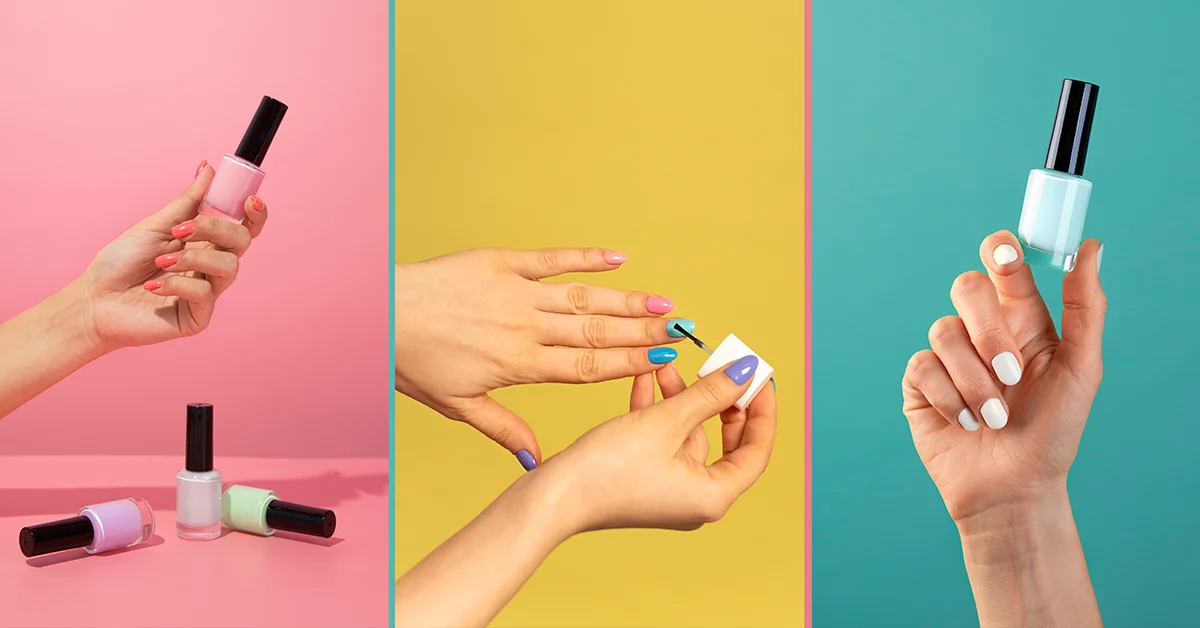
Have you ever stared at your manicure and thought, “I love my gel base, but I wish I could just switch up the color without starting from scratch?” If so, you’re not alone. Nail lovers everywhere want the best of both worlds—a long-lasting gel foundation and the freedom to refresh colors to suit their mood, outfit, or season. Getting the perfect blend of Nail Polish On Gel over gel nails can be a total win, but it’s easy to make mistakes along the way. That’s why we’re diving into tips, tricks, and what to avoid when applying Nail Polish On Gel on top of gel.
In this post, you’ll find down‑to‑earth advice (no jargon, just friendly chat), step‑by‑step guidance, and clever insights that help your manicure game level up. Whether you’re a seasoned nail DIYer or just looking for a fresh twist on your mani routine, you’ll find something useful here. Let’s get into it—gorgeous nails await!
TRENDING
Exploring OnlyFansCom YourLittleLila: Content Tips And Insights
Why Nail Polish On Gel? What’s The Appeal?
- Quick color changes: A full gel mani can take time. Slapping on Nail Polish On Gel lets you switch shades fast—perfect for matching sudden outfit changes or trying seasonal trends.
- Preserve length and shape: If your gel extensions or overlays are still firm, you get to change color without weakening your nails or starting from scratch.
- Cost-effective: Redoing a gel set can be pricey. A polish refresh lets you get creative without emptying your wallet.
- Low commitment: Gel color removal (or redoing a set) means UV exposure. A polish layer stays lighter and removes in minutes at home.
Preparation Is Everything: Get It Right
Clean and Prep Your Gel Surface
Clean gel is key—but it’s more than just skipping hand lotion. After your gel mani or overlay:
Swipe with isopropyl alcohol (70‑90%) to remove the sticky tacky layer and any oils. Let dry fully.
If you skipped curing top coat, even better: let the gel cure fully and de‑tack before polishing.
Light Buffing (Optional but Effective)
Gentle mild buffing helps adhesion. Use a fine buffer (around 240 grit) and softly buff the surface until it’s just slightly matte. Don’t overdo it—you worsen ridge visibility, can weaken the gel, or cause damage.
Dehydrator or Primer (If Making Lasting)
For longer-lasting wear:
- Dehydrator removes oil.
- Bonding primer helps polish cling.
Use both lightly, and let dry.
Application Tricks: How To Nail It
Thin Layers Are Your Friend
Apply Nail Polish On Gel in micro‑thin coats:
- First coat: super light, dries quickly, gives base adhesion.
- Second coat: builds smooth, opaque coverage.
Too thick, and polish might lift, chip, or peel off the gel impromptu.
Good Technique Matters
- Paint with firm control—start in the middle of the nail, then sweep the sides.
- Leave a small margin near the cuticle and sidewalls so polish doesn’t flood.
- Wipe excess from the brush—less polish, more precision.
Cap the Free Edge
If you don’t seal the tip of your nail, you risk the polish lifting off the edge. Glide your brush horizontally along the free edge as a final sealing stroke.
Top Coat Enthusiasm
Two options:
Quick-dry top coat—fast, easy, dries in minutes.
Gel top coat—for extra protection, longevity, and shine.
Apply thin coat, seal edges again, then cure if using gel top coat. Thin layers ensure strong adhesion and no bubbling.
Maintenance Magic: Make It Last
After application:
- Let polish fully cure or dry—rushing invites smudges.
- Avoid direct contact with hot water or cleaning agents for at least an hour.
- Apply cuticle oil around the edges nightly—prevents lifting and supports healthy growth.
- If chips appear, you can lightly buff the area, reapply polish in that spot, seal with top coat—smart touch‑up for polish layering.
What To Avoid: Common Mistakes To Dodge
Thick Layers of Polish
Heavy coats may not dry fully before impact—they crack, peel, or gummy. Always err on the side of thinner coats and more passes.
Skipping Cleanup Around Cuticles
Polish touching the skin disrupts adhesion. Use a small brush dipped in acetone to clean gently around cuticles before the final coat sets.
Ignoring Proper Curing
If your gel base wasn’t fully cured or de‑tacked, polish won’t stick well. Patience here is vital.
Using Old, Thick Nail Polish On Gel
If your polish is gloopy or thick, mix it with a drop of thinner or replace it. Thick polish = roller coaster ride to chips.
Skipping a Top Coat or Not Sealing Edges
Laat layers and sealing the free edge are non-negotiable. If you skip them, expect chips along the tips.
Going Without Removal Prep Next Time
Lifting the old polish can damage the Nail Polish On Gel. Soften previous polish with gentle acetone or remover, then carefully buff or file before repainting—even over gel.
Extra Tips & Pro Tricks
- Use peel‑off base: If you want easy removal, apply a peel‑off base coat over the gel (if compatible). Remove instantly when ready.
- Gradient or nail art on gel: For overlays, apply polish, then sponge ombré, add a stamp, then seal with a gel top coat for contrast and longevity.
- Sparkle finishes: Glitters are unforgiving—apply two thin base coats, then glitter polish for smoothness, then top coat to level.
- Matte finish: Apply matte top coat over the polish—and avoid cuticle oil afterward (it’ll add shine).
- Removers and refreshes: Whenever the polish starts lifting, remove and reapply—it’s way safer than letting the lift peel into the gel.
When Might You Opt To Remove The Gel Entirely?
There are times that patching or layering isn’t worth it:
- Gel lifting, cracking, or separating (especially near cuticles).
- Your Nail Polish On Gel have noticeably grown out and require reshaping.
- Stains or damage is apparent under the gel base.
- The top coat is chipped or worn.
In those cases, professionally soak off or gently file off the gel and start fresh.
Conclusion
Applying nail polish on gel is a genius way to refresh your manicure—quickly, affordably, and creatively. Just remember: preparation and thin layers are your allies. Polish adhesion depends on clean surfaces, thin coats, edge sealing, and the right top coat. Avoid rushed application, thick polish, and skipping key steps like cap sealing or proper removal prep. With the tips above, you’ll get stunning results that feel polished and professional—but without the salon appointment.
Whether you’re changing up your look before dinner, switching between bright and neutral shades, or just keeping things fresh – now you’ve got the know-how to do it confidently. Ready to show off your next mani?
FAQs
What is nail polish on gel?
Nail polish on gel is simply applying regular Nail Polish On Gel—or lacquer—over an existing cured Nail Polish On Gel (overlay or extension). It lets you switch colors or designs quickly without removing or reapplying the full gel base.
How do I ensure Nail Polish On Gel sticks well to gel?
Ensure the gel surface is clean (use isopropyl alcohol), lightly buffed, and optionally dehydrated or primed. Use thin layers of polish, seal the edges, and finish with a top coat.
Will Nail Polish On Gel ruin my gel nails?
Not if you prep and apply correctly. Avoid thick coats, uncured gel, skin contact, and skipping edge sealing. Always remove polish cautiously to avoid damaging the gel.
Can I use gel top coat over polish?
Absolutely! A gel top coat adds durability and shine. Just apply a thin coat and seal the free edge, then cure under your lamp. You’ve effectively combined polish flair with gel resilience.
How do I remove polish from gel safely?
Use gentle acetone or remover-soaked cotton, wrapped for 5–10 minutes. Gently file or push off the polish layer. Avoid peeling or picking, which can damage the gel surface.
ALSO READ: Orchid Leaves Turning Yellow: Causes And Easy Fixes

 BLOG8 months ago
Unlocking преводсч: A Simple Guide For Beginners
- BLOG8 months ago
The Ultimate هنتاوي.com Experience Awaits You
- EDUCATION8 months ago
Unlocking Success With Thestudypoints In Your Learning Journey
- BLOG8 months ago
Discover Fresh Perspectives At BlogsterNation.com
- TECH8 months ago
Discover Seamless Connectivity With WeblinkFusion.com
- BLOG7 months ago
Honntai: Uncovering The True Essence Behind The Word
- BLOG8 months ago
Whispers Of The Đeman: Echoes From The Forgotten Realm
- ENTERTAINMENT5 months ago
Found My People On The Steve Hoffman Music Forums