BLOG
The Majestic Tau Manta: A Deep Dive Into Its World

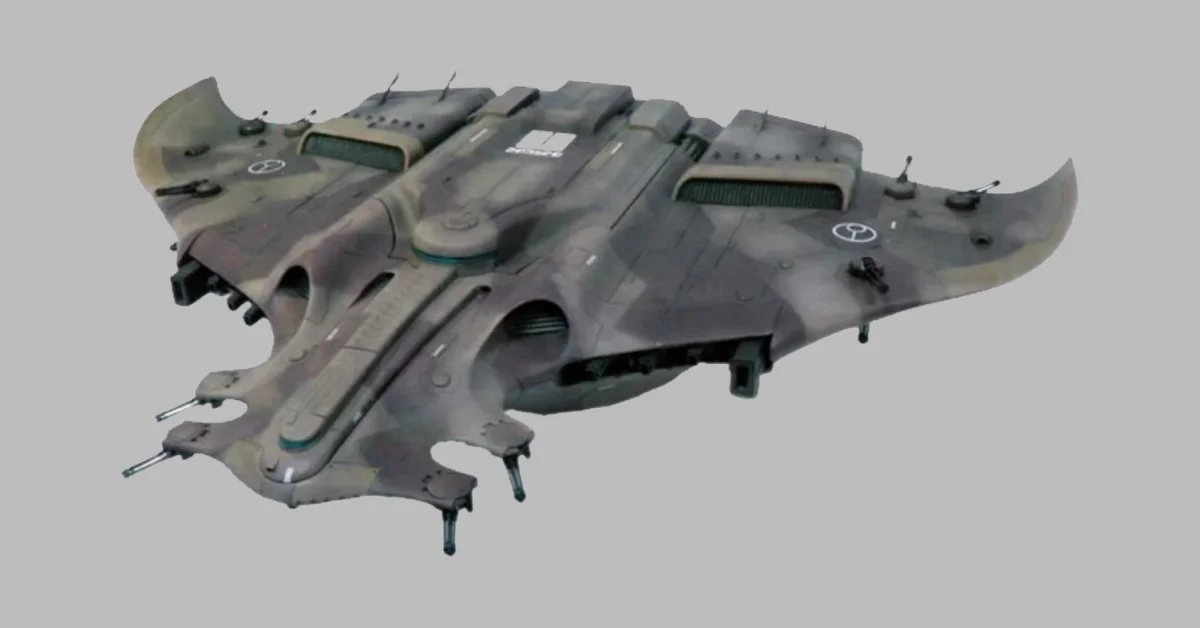
The ocean is home to some of the most awe-inspiring creatures, and among them, the Tau Manta stands out as a true marvel of nature. Graceful, intelligent, and magnificent in its size and beauty, this creature captivates marine enthusiasts and wildlife lovers alike. In this blog post, we will explore the fascinating world of the diving into its behavior, habitat, conservation efforts, and much more. So, if you’re ready for a deep dive, let’s learn all about this majestic creature that rules the underwater world.
TRENDING
Mastering The Craft Of The Logchopper: A Journey Into The Woods
What Is The Tau Manta?
Before we explore the different aspects of the life, let’s answer the most basic question: What exactly is the Tau Manta?
The Tau Manta is a species of ray-finned fish, part of the Manta genus, closely related to stingrays but with a much larger, more elegant form. Often found in tropical and subtropical ocean waters, these creatures are characterized by their massive, wing-like pectoral fins that can span up to 29 feet (9 meters), making them one of the largest species of ray-finned fish on the planet. Unlike other species of mantas, the has a distinctive, almost ethereal appearance, with a flat, diamond-shaped body and small eyes placed on either side of its head, giving it a wide field of vision.
The Physical Wonders Of The Tau Manta
The physical attributes of the Tau Manta are nothing short of extraordinary. These creatures are built for elegance, with bodies designed for efficiency and beauty in the water.
Size and Appearance
As mentioned, Tau Mantas are large, with wingspans that can reach up to 29 feet (around 9 meters), though the average size is typically closer to 18-22 feet. Their wide, flat bodies give them an almost supernatural presence as they glide through the water. Their dark skin, which is often a deep blue or black, helps them blend seamlessly with the deep ocean waters, while the lighter undersides of their bodies are often speckled with white markings.
The head of the is triangular, with two “horns” on either side that assist in filtering food from the water. These large, graceful creatures move by flapping their massive pectoral fins, much like birds flying in the sky.
Unique Features
What sets the Tau Manta apart from other manta species is its deeply recessed mouth, located at the front of the head, as opposed to the bottom. This allows the manta to feed while swimming through water at impressive speeds. Additionally, the gills are exceptionally large, as it needs to filter enormous amounts of water to obtain its food, which typically consists of plankton, small fish, and other microscopic organisms.
Where Do Tau Mantas Live?
Tau Mantas are typically found in tropical and subtropical oceanic regions, often in areas with healthy coral reefs, though they can also be spotted in open waters. They are known to migrate across vast oceanic distances, sometimes traveling thousands of miles to reach ideal feeding grounds or to mate.
Ideal Habitat
While they are known to be wide-ranging, Tau Mantas tend to favor shallow coastal waters or coral reef ecosystems. They are often found near the surface, where they can bask in the sun’s rays or feed on plankton and other small organisms. However, during migrations, are also known to dive into deeper ocean waters in search of food.
These mantas thrive in regions with strong currents, which are ideal for filter feeding. For instance, areas such as the Pacific Ocean, the Maldives, and parts of Indonesia are known for their robust Tau Manta populations.
The Feeding Habits Of The Tau Manta
One of the most intriguing aspects of the Tau Manta’s behavior is its unique feeding mechanism. Unlike many other ocean creatures that hunt for specific prey, are filter feeders, meaning they ingest large volumes of water, sift out tiny organisms, and then expel the excess water.
Feeding Techniques
Tau Mantas swim through the ocean with their mouths wide open, filtering vast amounts of water through their gills. The water passes over specialized structures called gill rakers, which trap plankton, krill, and small fish that are then swallowed. This method of feeding is not only efficient but also allows the to cover large distances in search of food.
Interestingly, are also known to take advantage of upwelling currents, which bring nutrient-rich waters to the surface. These currents provide a constant supply of plankton and small fish, which is why these mantas are often spotted near coastal regions with strong currents.
The Behavior Of Tau Mantas
Tau Manta are peaceful and non-aggressive creatures. Unlike their relatives, the stingrays, have no stinger, making them completely harmless to humans and other marine life. Their behavior is often described as calm, gentle, and curious, and they are known for their intelligence and complex social interactions.
Social Structure
While Tau Manta do not form permanent groups or pods like dolphins, they are often seen swimming in loose aggregations, especially during feeding. Mating also involves complex social behavior, with males often displaying acrobatic maneuvers to impress females.
Acrobatic Displays
One of the most fascinating aspects of behavior is their occasional acrobatics. Tau Mantas are known to leap out of the water in what is often called “breaching” behavior. This could be part of their mating rituals, a way to shake off parasites, or simply an expression of joy. Whatever the reason, seeing a breach the surface is a breathtaking spectacle.
The Conservation Status Of The Tau Manta
Despite their majestic beauty, Tau Mantas face numerous threats in the wild. The biggest threats to their survival include overfishing, habitat destruction, and climate change. These factors have led to a significant decline in their populations, especially in areas with unregulated fishing practices and damaged coral reefs.
Threats to Their Survival
Overfishing is one of the primary threats to as they are sometimes caught accidentally in fishing nets or targeted for their gill rakers, which are considered valuable in traditional medicine. Additionally, habitat destruction, particularly due to coral reef degradation, is also a major concern. Coral reefs provide essential shelter and feeding grounds for and their loss has a direct impact on the manta population.
Furthermore, climate change is affecting ocean temperatures and currents, which in turn affects the availability of food sources for Tau Mantas. Warmer ocean waters can also contribute to coral bleaching, further reducing the habitat available for these creatures.
Conservation Efforts
In response to these challenges, many marine organizations and governments have begun efforts to protect the Tau Manta. Some regions have implemented Marine Protected Areas (MPAs), where fishing is restricted and manta populations can thrive in peace. Additionally, several international agreements, such as the Convention on Migratory Species, work to ensure the protection of mantas worldwide.
What You Can Do to Help
As individuals, there are several ways to contribute to the protection of the Tau Manta:
Support Marine Conservation Organizations: Many nonprofits and NGOs are dedicated to the protection of marine life, including mantas.
Practice Sustainable Tourism: If you’re fortunate enough to go on a diving expedition to see mantas, make sure to choose an operator that follows responsible tourism practices and avoids disrupting their natural behaviors.
Reduce Your Carbon Footprint: As climate change is a significant threat to the Tau Manta’s habitat, taking steps to lower your carbon footprint can help mitigate its impact on marine ecosystems.
Conclusion
The Tau Manta is one of the ocean’s most mesmerizing creatures, displaying beauty, grace, and intelligence in ways that few other animals can match. From its remarkable feeding habits to its majestic physical form, the Tau Manta is a true marvel of nature. Unfortunately, it faces many challenges in today’s world, and it is up to all of us to protect this incredible species. Through awareness, conservation efforts, and sustainable practices, we can ensure that future generations get to experience the wonder of the Tau Manta in the wild.
FAQs
What is the Tau Manta?
The Tau Manta is a large species of ray-finned fish known for its massive pectoral fins, which can span up to 29 feet. It is a filter feeder, consuming plankton and small fish, and is found in tropical and subtropical oceanic regions.
How big do Tau Mantas get?
Tau Mantas can grow to impressive sizes, with wingspans reaching up to 29 feet, although most average around 18-22 feet in length.
Where can you find Tau Mantas?
These magnificent creatures are typically found in tropical and subtropical ocean waters, including areas around coral reefs, upwelling currents, and deep open oceans.
What do Tau Mantas eat?
Tau Mantas are filter feeders, primarily feeding on plankton, krill, and small fish. They consume large amounts of water and filter out tiny organisms using their specialized gill rakers.
Are Tau Mantas endangered?
Yes, Tau Mantas face numerous threats, including overfishing, habitat destruction, and climate change. They are classified as vulnerable by the International Union for Conservation of Nature (IUCN), and conservation efforts are underway to protect them.
ALSO READ: Discovering Gekomon: The Hidden Gem Of Digital Monsters

In today’s fast-paced world of software development and AI-driven tools, integrating artificial intelligence into your coding workflow can drastically improve productivity and innovation. One tool that’s making waves in this space is Using Moonshot.ai With MS Code, a powerful AI platform designed to enhance coding experiences. When combined with Microsoft Visual Studio Code (MS Code), it opens up exciting possibilities for developers of all levels. In this guide, we’ll explore how to get started with Using Moonshot.ai With MS Code step by step, so you can make the most of this integration.
TRENDING
Unveiling The Biblical Star Of Jacob: Mystery And Meaning
What Is Moonshot.ai And Why Use It?
Before diving into setup and usage, it’s important to understand what Using Moonshot.ai With MS Code is. Simply put, Moonshot.ai is an artificial intelligence platform that helps developers write, optimize, and debug code more efficiently. It leverages advanced AI models to suggest code completions, detect errors, and even generate entire blocks of code based on your prompts.
When paired with MS Code, one of the most popular code editors, Using Moonshot.ai With MS Code becomes a productivity powerhouse. Developers can write smarter, faster, and more efficiently without leaving the editor, creating a seamless coding workflow.
Why Integrate Moonshot.ai With MS Code?
Integrating Using Moonshot.ai With MS Code offers several benefits:
Enhanced Code Completion
Using Moonshot.ai With MS Code can predict what you’re trying to write and suggest completions in real-time, reducing the time spent typing repetitive code.
Error Detection and Debugging
The AI can identify potential bugs or logical errors in your code before you run it, saving hours of debugging time.
Code Optimization
Using Moonshot.ai With MS Code doesn’t just generate code—it can optimize it for performance and readability, making your projects cleaner and more maintainable.
Learning Tool for Developers
For beginners, it acts as a mentor by suggesting best practices and explaining snippets of code in simple terms.
Setting Up Moonshot.ai In MS Code
Getting started with Using Moonshot.ai With MS Code is straightforward, even for beginners. Here’s a detailed, step-by-step guide:
Install MS Code
If you don’t already have Microsoft Visual Studio Code installed:
Visit the official MS Code website.
Download the installer for your operating system (Windows, Mac, or Linux).
Follow the installation instructions, and launch the editor.
Install the Moonshot.ai Extension
Using Moonshot.ai With MS Code works as an extension in MS Code. To install it:
Open MS Code.
Navigate to the Extensions tab on the sidebar (it looks like four small squares).
Search for Using Moonshot.ai With MS Code.
Click Install and wait for the installation to complete.
Once installed, you’ll see the Using Moonshot.ai With MS Code icon in your editor.
Create a Moonshot.ai Account
To use Using Moonshot.ai With MS Code you’ll need an account:
Open the Moonshot.ai extension in MS Code.
Click Sign Up or Log In if you already have an account.
Follow the on-screen instructions to complete registration.
Configure API Keys (If Required)
Some advanced features of Using Moonshot.ai With MS Code might require API key integration:
Go to your Using Moonshot.ai With MS Code account settings.
Generate a new API key.
Paste this key in the MS Code extension settings under the API section.
Save changes to enable full access to all AI features.
How To Use Moonshot.ai In Your Projects
Now that you have Using Moonshot.ai With MS Code it’s time to explore how to use it effectively.
Code Suggestions
As you type, Using Moonshot.ai With MS Code provides suggestions for:
Completing functions and variables.
Writing loops and conditionals.
Creating boilerplate code quickly.
You can accept suggestions with a simple tab or arrow key navigation.
Debugging Assistance
Using Moonshot.ai With MS Code can analyze your code in real-time and highlight potential issues such as:
Syntax errors
Logical errors
Deprecated functions or libraries
This allows you to correct mistakes before running your code.
Code Generation
One of the most powerful features is AI-driven code generation:
Type a prompt describing what you want the code to do.
Using Moonshot.ai With MS Code a ready-to-use code snippet.
You can modify it as needed to fit your project requirements.
Learning and Best Practices
Using Moonshot.ai With MS Code also acts as an educational tool:
Hover over suggested code to see explanations.
Learn recommended coding practices in your programming language.
Understand complex functions more easily with AI-generated insights.
Tips For Maximizing Your Moonshot.ai Experience
To get the most out of Using Moonshot.ai With MS Code:
Keep Your Code Clear and Structured
The AI works best with well-organized code. Use proper indentation and naming conventions.
Use Prompts Effectively
When asking Using Moonshot.ai With MS Code, provide clear, concise instructions.
Review Suggestions Carefully
AI is powerful, but it’s not perfect. Always review generated code to ensure it meets your project standards.
Stay Updated
Moonshot.ai frequently releases updates with new features. Keep your extension updated to access the latest tools.
Common Challenges And How To Solve Them
Even though Moonshot.ai is designed to be user-friendly, you might encounter a few common issues:
Extension Not Loading: Restart MS Code and ensure your internet connection is stable.
API Key Errors: Double-check that you copied the API key correctly and that it is active.
Slow Suggestions: Close unnecessary extensions or applications that might be using too many resources.
Language Limitations: Some programming languages may have limited AI support. Focus on the most common ones like Python, JavaScript, or Java for now.
Real-World Applications
Moonshot.ai in MS Code is not just a coding assistant—it’s a productivity enhancer. Here are some real-world applications:
Web Development: Quickly generate HTML, CSS, and JavaScript templates.
Data Science: Create Python scripts for data analysis, visualization, or machine learning models.
Game Development: Build code snippets for game logic and mechanics efficiently.
Automation Projects: Write scripts to automate repetitive tasks across different platforms.
Conclusion
Integrating Moonshot.ai with MS Code is a game-changer for developers. It not only accelerates the coding process but also helps you write better, cleaner, and more efficient code. Whether you’re a beginner trying to learn coding or an experienced developer looking to save time, Moonshot.ai provides intelligent suggestions, code generation, and debugging assistance—all within the familiar environment of MS Code.
By following the steps in this guide, you can get started today and explore the endless possibilities of AI-powered development.
FAQs
What is Moonshot.ai?
Moonshot.ai is an artificial intelligence platform that assists developers in writing, optimizing, and debugging code efficiently. It provides suggestions, generates code snippets, and helps identify errors in real-time.
Is Moonshot.ai free to use?
Moonshot.ai offers both free and premium plans. Free plans provide basic functionality, while paid plans unlock advanced features and higher usage limits.
Can Moonshot.ai work with languages other than Python?
Yes, Moonshot.ai supports multiple programming languages, including JavaScript, Java, C++, and more. Some advanced features may be limited to popular languages.
Do I need an internet connection to use Moonshot.ai?
Yes, an active internet connection is required as the AI processes requests on cloud servers.
Can beginners benefit from Moonshot.ai?
Absolutely! Beginners can learn best practices, understand code snippets, and receive helpful suggestions, making it easier to grasp coding concepts.
ALSO READ: Star Sign For 14th June: Unlocking Your Zodiac Secrets
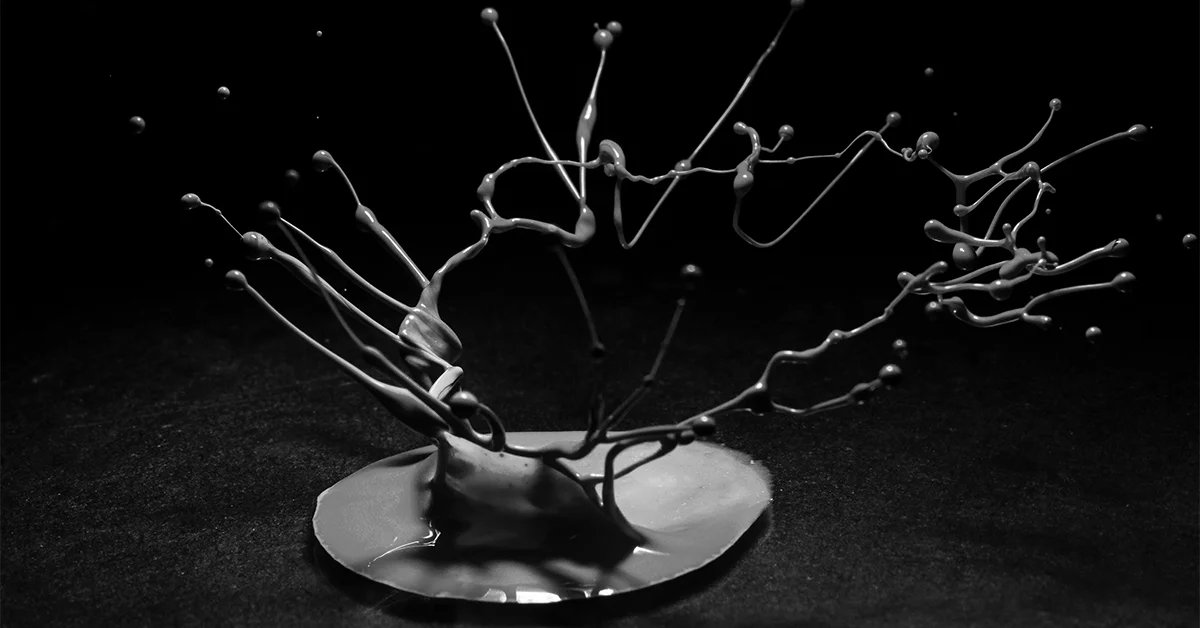
When we think of art, most of us picture vibrant paintings, lifelike sculptures, or beautifully composed photographs. But what if art isn’t just about skill or aesthetics? What if art is about ideas, questions, and challenging conventions? This is where Marcel Duchamp, a revolutionary figure in modern art, comes in. His concept of the Duchamp Creative Act transformed how artists—and audiences—perceive art. In this article, we’ll explore the Duchamp creative act, the role of innovation in art, and how his ideas continue to influence contemporary creativity.
TRENDING
Star Sign For 14th June: Unlocking Your Zodiac Secrets
Who Was Marcel Duchamp?
Marcel Duchamp (1887–1968) was a French-American artist whose work redefined the boundaries of art in the 20th century. While he trained as a painter, Duchamp quickly became fascinated with the idea of conceptual art—art where the idea behind the work is more important than the aesthetic itself.
Duchamp challenged traditional art through works like “Fountain” (1917), a standard urinal presented as art, and “Bicycle Wheel” (1913), a readymade sculpture created from everyday objects. These works weren’t just shocking—they forced viewers to ask fundamental questions: What is art? Who decides its value? And what role does creativity truly play?
Understanding The Duchamp Creative Act
The Concept of the Duchamp Creative Act
The Duchamp creative act emphasizes that art is not solely created by the artist’s hand. Instead, the process of creation involves the artist, the artwork, and the audience. In Duchamp’s view, the artist proposes an idea, but the work is completed when the audience interprets it. This notion flips the traditional understanding of art: creativity is a dialogue, not a one-way street.
This approach encourages innovation because it focuses on concept over craft. Instead of painstakingly painting a perfect portrait, an artist might choose to highlight a radical idea or concept that challenges social norms.
Readymades: Innovation in Everyday Objects
Duchamp’s most famous innovation was the concept of the readymade—ordinary objects selected and presented as art. By doing this, Duchamp asked society to reconsider what qualifies as art. A urinal, a bicycle wheel, or a coat rack suddenly became art because they were chosen and contextualized by the artist.
The readymade illustrates an essential principle of the Duchamp creative act: innovation doesn’t always mean creating something entirely new—it can mean seeing the ordinary in an extraordinary way.
How Innovation Shapes Art Today
Breaking Rules and Expanding Boundaries
Duchamp’s work encourages artists to challenge existing rules rather than simply follow them. In modern art, we see this principle everywhere—from digital installations to performance art. Artists no longer feel confined to paint, clay, or stone. Instead, they experiment with new media, technology, and even social commentary, pushing audiences to think differently about creativity.
Audience Participation and Interpretation
One of the core ideas of the Duchamp creative act is audience engagement. Contemporary art often invites the viewer to participate or interpret, making the experience unique for each individual. Street art, interactive digital exhibitions, and even immersive theater draw heavily from Duchamp’s principle that the audience completes the creative process.
Conceptual Art and the Power of Ideas
Duchamp paved the way for conceptual art, where the idea itself can be more important than the physical object. Today, this is evident in art forms like installation art, AI-generated works, and performance pieces. By valuing ideas over technical execution, artists can explore new avenues of expression and address contemporary social, political, and philosophical issues.
Lessons From Duchamp For Modern Creatives
Embrace Bold Ideas
Duchamp shows us that creativity thrives when we are bold enough to challenge norms. Innovation often comes from questioning long-held beliefs and imagining possibilities that others might dismiss.
Focus on Concept, Not Just Craft
While technical skills are valuable, conceptual thinking is equally important. A powerful idea can resonate more deeply than perfect brushstrokes or flawless technique.
Engage Your Audience
Art is not just about the creator—it’s about the dialogue between creator and viewer. By designing experiences that provoke thought and interpretation, artists can make their work more impactful.
Look at the Ordinary Differently
Innovation can be as simple as seeing the extraordinary in the ordinary. Duchamp’s readymades prove that creativity often lies in perspective, not just production.
The Lasting Impact Of Duchamp Creative Philosophy
Marcel Duchamp Creative Act influence stretches far beyond his lifetime. Artists in movements like Dada, Surrealism, and contemporary conceptual art all owe a debt to his revolutionary ideas. His emphasis on ideas, audience engagement, and challenging conventions reshaped the artistic landscape.
Even today, educators, designers, and innovators in fields outside of traditional art study Duchamp’s principles to inspire creativity. Whether it’s in advertising, digital media, or product design, the Duchamp Creative Act reminds us that innovation and art are inseparable.
Conclusion
Duchamp Creative Act taught the world that art is not just what you see—it’s what you think, feel, and question. The Duchamp creative act emphasizes that true innovation comes from challenging norms, exploring concepts, and engaging audiences. By understanding and applying these principles, modern artists—and anyone involved in creative work—can break boundaries and transform ordinary ideas into extraordinary experiences.
Duchamp Creative Act legacy proves that art is more than an object; it’s a conversation, a challenge, and ultimately, a reflection of human creativity in its most daring form.
FAQs
What is the Duchamp Creative Act?
The Duchamp Creative Act is the concept that art is not solely created by the artist but is completed when the audience interprets it. It emphasizes innovation, ideas, and audience engagement over technical skill.
Why was Duchamp’s art considered revolutionary?
Duchamp challenged traditional notions of art by introducing everyday objects as readymades and prioritizing ideas over aesthetics, forcing audiences to question what qualifies as art.
How does innovation play a role in modern art?
Innovation allows artists to experiment with new materials, media, and ideas, breaking conventional rules and engaging audiences in unique ways.
Can ordinary objects be considered art?
Yes. Duchamp’s readymades showed that objects can become art through context, selection, and concept, not just craftsmanship.
How can creatives apply Duchamp’s philosophy today?
Creatives can embrace bold ideas, focus on concepts, engage audiences, and find extraordinary perspectives in ordinary experiences, applying these principles across art, design, and other creative fields.
ALSO READ: Unveiling The Biblical Star Of Jacob: Mystery And Meaning
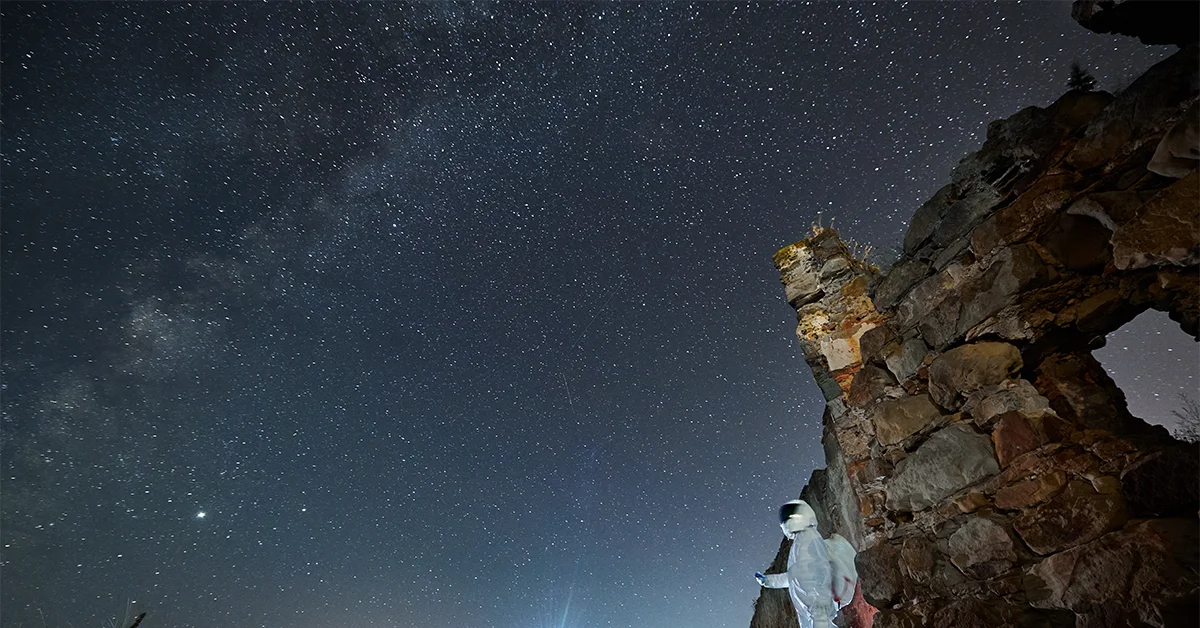
The “Biblical Star Of Jacob is a phrase that has fascinated scholars, theologians, and curious readers for centuries. It appears in the Bible and carries layers of symbolic, prophetic, and spiritual meaning. But what exactly is the Star of Jacob? How has it influenced religious thought and biblical prophecy? In this article, we’ll explore its mystery, its historical context, and the significance it holds today. By the end, you’ll have a deeper understanding of this intriguing biblical symbol.
TRENDING
What Does Fine Stand For? Breaking Down The Word
What Is The Biblical Star Of Jacob?
The Biblical Star Of Jacob, also referred to in some translations as the scepter of Jacob, originates from a prophecy found in the book of Numbers, chapter 24, verse 17. The verse reads (paraphrased):
I see him, but not now; I behold him, but not near. A star shall come out of Biblical Star Of Jacob; a scepter shall rise out of Israel…
In simple terms, the prophecy speaks of a future leader, a figure who will rise from the nation of Biblical Star Of Jacob (the patriarch Israel) and bring guidance and authority. Traditionally, many scholars link this prophecy to the coming of the Messiah, a spiritual leader who brings hope and salvation.
Symbolism Behind the Star
The star is a powerful symbol in biblical literature. Stars often represent guidance, light in darkness, and divine intervention. In this context, the Biblical Star Of Jacob signifies hope and leadership emerging from Jacob’s lineage. It symbolizes both divine promise and the destiny of the people of Israel.
Historical Context
Understanding the Biblical Star Of Jacob requires looking at the historical and cultural context of the time.
Biblical Star Of Jacob and His Legacy
Biblical Star Of Jacob also known as Israel, was one of the patriarchs of the Hebrew people. He had twelve sons, who became the ancestors of the twelve tribes of Israel. The prophecy of the Star of Jacob connects to his descendants and foretells a future leader from his lineage who will influence the destiny of the nation.
Prophecies and the Messianic Expectation
During the biblical era, prophecies were common, serving as messages from God about the future. The Biblical Star Of Jacob is often seen as one of the earliest messianic prophecies in the Bible. It foreshadows a significant figure who would guide and protect God’s people, offering a sense of hope and reassurance.
Interpretations Of The Star
Over the centuries, theologians and scholars have offered several interpretations of the Biblical Star Of Jacob. These interpretations often depend on religious tradition, historical context, and spiritual perspective.
Messianic Interpretation
In Christianity, the Star of Jacob is frequently linked to Jesus Christ. The idea is that the star represents Christ’s emergence as a spiritual leader who fulfills the promises made to Biblical Star Of Jacob and his descendants. The imagery of a star rising is tied to guidance, just as Jesus is often described as the light of the world.
Astronomical Interpretation
Some scholars and historians have attempted to identify the Biblical Star Of Jacob with an actual celestial event. Various theories suggest that it could have been a comet, a supernova, or a rare planetary alignment that ancient people interpreted as a divine sign. While there is no scientific consensus, these theories demonstrate the human desire to link spiritual prophecy with natural phenomena.
Symbolic or Allegorical Interpretation
Another approach is to view the Biblical Star Of Jacob symbolically. Here, the star represents hope, leadership, or divine guidance rather than a literal astronomical event. This interpretation emphasizes the spiritual and moral lessons behind the prophecy rather than its historical accuracy.
The Star Of Jacob In Modern Faith
Even today, the Star of Jacob holds relevance in religious thought. It serves as a reminder of divine promise and leadership. For believers, it symbolizes hope in times of darkness and uncertainty.
Spiritual Lessons from the Star
Guidance: Just as stars guide travelers at night, the Star of Jacob reminds people to seek divine guidance in life.
Hope: The prophecy represents hope for the future, encouraging faith even in difficult times.
Leadership: It emphasizes the importance of righteous and just leadership, inspiring people to lead with integrity.
Cultural References
Beyond religious texts, the Star of Jacob has appeared in art, literature, and hymns. Artists have used it to depict divine intervention, while writers often reference it to symbolize hope, destiny, and spiritual illumination.
Connecting The Star Of Jacob To Other Biblical Symbols
The Star of Jacob is not an isolated symbol. It connects to other biblical imagery, such as:
The Scepter: Representing authority, leadership, and rule.
Light: Symbolizing divine presence, guidance, and hope.
Messiah: A future savior figure who fulfills prophecy and restores peace.
These connections deepen the meaning of the Star and show how biblical symbols often overlap to convey layered spiritual truths.
Debunking Myths And Misunderstandings
Over time, several myths and misconceptions have arisen about the Star of Jacob. Let’s clarify a few:
It was not necessarily a literal star: While some theories connect it to celestial events, the star is often symbolic of leadership and divine guidance.
It is not limited to one religion: While Christianity often associates it with Jesus, Judaism also values it as a prophecy of a future leader from Jacob’s lineage.
It is a symbol of hope, not power: The focus of the prophecy is guidance and salvation, not earthly domination or conquest.
Practical Takeaways
The story of the Star of Jacob can teach us lessons even today:
Seek guidance in your decisions.
Maintain hope during challenging times.
Recognize the importance of moral and ethical leadership.
Appreciate the deeper meaning behind symbols in literature and religion.
By reflecting on these lessons, we can apply the wisdom of ancient prophecies to modern life.
Conclusion
The Star of Jacob remains one of the most intriguing symbols in the Bible. Whether interpreted as a messianic prophecy, a celestial event, or a spiritual metaphor, it continues to inspire hope, guidance, and leadership. Its message transcends time, reminding us that divine promise and moral integrity are central to the human experience. By exploring the Star of Jacob, we not only gain insight into biblical prophecy but also discover timeless lessons for navigating life’s uncertainties.
FAQs
What is the Star of Jacob?
The Star of Jacob is a biblical prophecy found in Numbers 24:17, symbolizing a future leader from Jacob’s lineage. It is often associated with guidance, hope, and the coming of a messianic figure.
Who does the Star of Jacob refer to?
Many scholars and religious traditions link the Star of Jacob to the Messiah, a spiritual leader who brings hope and salvation. In Christianity, it is often connected to Jesus Christ.
Is the Star of Jacob a literal star?
Not necessarily. While some theories suggest it may have been a celestial event, it is more commonly interpreted as a symbolic representation of divine guidance and leadership.
What lessons can we learn from the Star of Jacob?
The Star of Jacob teaches us about hope, guidance, leadership, and faith, encouraging people to seek divine direction and act with integrity.
How is the Star of Jacob relevant today?
It serves as a spiritual reminder of hope and guidance, inspiring individuals to pursue moral leadership and remain faithful during challenging times.
ALSO READ: The Modern Masculine Men: Redefining Strength And Style

 BLOG6 months ago
Unlocking преводсч: A Simple Guide For Beginners
- BLOG5 months ago
The Ultimate هنتاوي.com Experience Awaits You
- BLOG6 months ago
Discover Fresh Perspectives At BlogsterNation.com
- EDUCATION6 months ago
Unlocking Success With Thestudypoints In Your Learning Journey
- TECH6 months ago
Discover Seamless Connectivity With WeblinkFusion.com
- BLOG5 months ago
Whispers Of The Đeman: Echoes From The Forgotten Realm
- BLOG5 months ago
Honntai: Uncovering The True Essence Behind The Word
- BLOG5 months ago
How Many Pages Are In The Bible? What You Need To Know